
That Shaking Steering Wheel When You Brake? On a BMW, Thrust Arm Bushings Are Usually the Culprit
You’re cruising down I-75, you tap the brakes approaching an exit, and your steering wheel starts shimmying in your hands. It’s not violent, maybe just an unsettling wobble or a pulsing sensation through the wheel. Your first instinct might be warped rotors — and that’s a fair guess — but if you drive a BMW and the shaking is specifically tied to braking, there’s another suspect worth looking at first: the thrust arm bushings.
This is one of those BMW-specific quirks that catches a lot of people off guard, because it doesn’t show up the same way on most domestic or Japanese cars. The front suspension geometry on BMWs is engineered differently, and that design makes the thrust arm bushings load-bearing in a way that makes their wear pattern directly noticeable under braking forces.
What Thrust Arm Bushings Actually Do
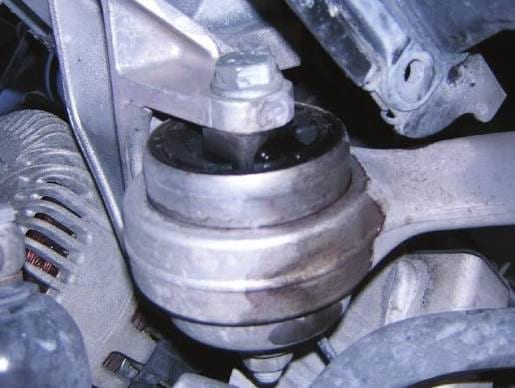
The thrust arm (sometimes called the tension rod or front control arm, depending on the BMW model and generation) connects the front wheel hub carrier to the subframe. The bushings at each end of that arm are what allow controlled flex and movement while keeping the geometry tight.
When those bushings are in good shape, they absorb the fore-and-aft forces that happen during braking and keep everything planted. When they start to crack, soften, or collapse — which they will eventually, especially on higher-mileage cars — the front wheel can shift slightly under braking load. That micro-movement translates directly through the steering column as a shake or wobble. You feel it in your hands.
Why It’s Easy to Misdiagnose
The tricky part is that warped rotors also cause steering wheel vibration under braking, and so can worn wheel bearings, loose tie rod ends, or even an out-of-balance tire that only becomes apparent at certain speeds. The symptoms can overlap enough that you end up chasing the wrong part.
A few things that can help point toward thrust arm bushings specifically:
- The shaking is more of a back-and-forth, fore-and-aft movement rather than a side-to-side shimmy
- It’s most noticeable at moderate to highway speeds when you apply the brakes — not necessarily at low speed stops
- The car may also feel vague or loose in the front end when accelerating hard or on uneven pavement, not just when braking
- A visual inspection sometimes reveals obvious cracking or deformation in the rubber bushing, though plenty of failed bushings look fine until you actually press on them
That said, none of this is a guaranteed diagnosis without hands-on inspection. BMW suspension behavior also varies enough between the E46, E90, F30, X3, X5, and other platforms that what’s most common on one model isn’t always the same on another.
OEM Replacements — Why It Matters Here
When it comes to thrust arm bushings on a BMW, this is one area where going aftermarket budget parts tends to backfire. The geometry tolerances on these cars are tight. Cheaper aftermarket bushings sometimes use softer rubber compounds or slightly different dimensions that don’t restore the original feel — and in some cases, the vagueness or shake comes back faster than you’d expect.
OEM replacements (or quality OEM-equivalent parts from suppliers like Meyle HD or Lemförder, which BMW itself has used) hold up better and restore the suspension feel the way the car was designed. It costs more up front, but you’re not doing this job twice.
The standard recommendation is to replace both sides at the same time. If one bushing has worn to the point of causing problems, the other is almost certainly close behind. Doing them together saves labor and keeps the handling balanced side to side.
FAQ: BMW Steering Wheel Shaking Under Braking
Q: Can I keep driving if my steering wheel shakes when I brake?
It depends on severity. Mild shaking from worn bushings usually won’t leave you stranded immediately, but the handling is compromised and the wear will continue. If the shaking is sudden, severe, or accompanied by noise, get it looked at sooner rather than later.
Q: How do I know if it’s the thrust arm bushings or warped rotors?
Warped rotors usually cause a pulsing sensation felt through the brake pedal as well as the wheel. Thrust arm bushing issues tend to feel more like a loose or wandering sensation in the steering itself under braking. A physical inspection will tell you more than symptoms alone.
Q: Does this happen on all BMW models?
The thrust arm bushing is a particularly common wear item on rear-wheel-drive BMW platforms like the E46 3 Series, E90/E92, and similar. It shows up on other platforms too, but the specifics of what wears and how it presents can differ by generation.
Q: Can a mobile mechanic handle this repair?
Yes. Thrust arm bushing replacement doesn’t require a lift in most cases and is well within the scope of a mobile repair visit.
Get It Diagnosed Without the Dealership Trip
If your BMW is doing the brake-shake shuffle anywhere in the North Atlanta Metro area, Matthew at Monarch Motor Group can come to you — your driveway, your office, wherever the car is sitting. He’ll inspect the front suspension, confirm what’s actually going on, and give you a straight answer before any parts get ordered.
Call or text 678-932-8871, or book a visit at monarchmotor.com/contact-us.