Mobile Mechanic vs. Traditional Shop: What’s the Difference?
If your check engine light just came on, or you’re due for an oil change and keep pushing it back because life is busy, you’ve probably wondered whether a mobile mechanic is a real option or just a novelty. The short answer: for a lot of common repairs and maintenance, a mobile mechanic is genuinely the better choice. But there are situations where a traditional shop is the right call. Here’s an honest breakdown of both.
How a Mobile Mechanic Actually Works
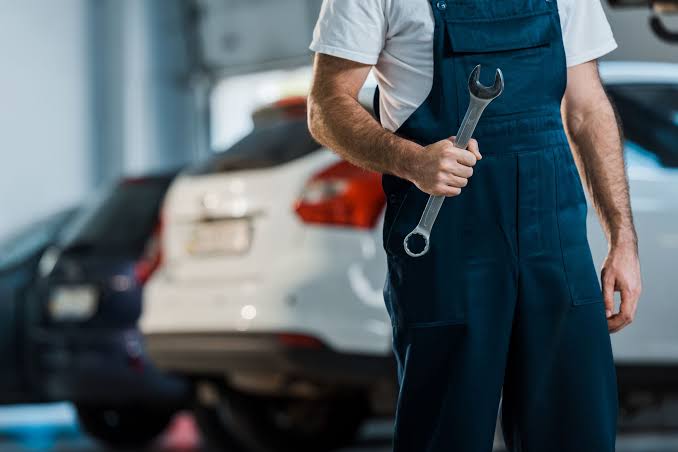
A mobile mechanic comes to wherever your car is — your driveway, your apartment parking lot, your office. The mechanic brings the tools, the parts, and the diagnostic equipment. You don’t drive anywhere, you don’t wait in a lobby, and you’re usually there to see exactly what’s happening with your vehicle.
At Monarch Motor Group, that’s the whole model. Matthew Maruszak shows up with what he needs to do the job and walks you through what he finds. For a lot of people, that transparency alone is worth it — you’re not waiting for a service advisor to relay information through a phone call while your car sits in a bay you can’t see.
What a Mobile Mechanic Can Handle
The list is longer than most people expect. Common services that translate well to mobile work include:
- Oil and filter changes
- Brake pad and rotor replacement
- Battery testing and replacement
- Alternator and starter replacement
- Spark plugs and ignition coils
- Serpentine belt and tensioner
- Thermostat replacement
- OBD-II diagnostic scans and fault code interpretation
- Pre-purchase inspections (incredibly useful if you’re buying a used car and want eyes on it before you commit)
None of these require a lift in every case, and a well-equipped mobile mechanic can work through most of them efficiently in a standard driveway or parking lot.
What a Mobile Mechanic Can’t Do On-Site
Honesty matters here. Some jobs genuinely require shop equipment — a full frame lift for exhaust work deep underneath the vehicle, a transmission rebuild on a bench, or a machine shop for resurfacing rotors beyond spec. If you need any of those, a traditional shop is the right place.
A good mobile mechanic will tell you that upfront rather than try to work around it and charge you for the attempt. If Matthew comes out, does the diagnostic, and finds that your repair needs something beyond mobile scope, you’ll know — and you won’t have wasted money on a misdiagnosis or unnecessary parts.
Pricing: What Are You Actually Comparing?
People sometimes assume mobile mechanics are more expensive because of the convenience factor, or cheaper because of lower overhead. The truth is more nuanced than either assumption.
Traditional shops carry significant fixed costs — the building, the equipment, multiple employees, and service writer markup. Those costs get built into your labor rate. A mobile mechanic has lower overhead, which can work in your favor on labor. On the other hand, a mobile visit may include a travel or service call fee depending on the job and location.
What you’re really comparing is total cost: parts + labor + your time. If you have to take half a day off work, arrange a ride, and pay for a rental car while your vehicle sits at a shop, that’s real money that doesn’t show up on the invoice. A mobile repair done in your driveway while you work from home changes that math significantly.
The Trust Factor
One of the most consistent complaints people have about traditional shops is the communication gap. You drop off the car, you wait, you get a call about something that’s going to cost more than expected, and you’re making a decision blind. With a mobile mechanic, you’re there. You can ask questions in real time.
That dynamic only works if the mechanic is actually willing to explain what they’re doing — which is the whole point of working with someone like Matthew rather than a faceless service center.
Frequently Asked Questions
Do mobile mechanics carry the parts they need, or do I have to supply them?
Most mobile mechanics, including Monarch Motor Group, source and supply parts for scheduled repairs. When you book a service, the specifics of the job get worked out in advance so the right parts are on hand for the visit.
Is a mobile mechanic as reliable as a traditional shop for diagnostics?
Yes — a proper OBD-II scan tool reads the same data whether you’re in a shop bay or a parking lot. The difference is in how that data gets explained to you and what happens next.
What if the job turns out to be more complicated than expected once work starts?
That happens sometimes, and a good mobile mechanic handles it the same way a good shop should: they tell you what they found, explain your options, and don’t proceed with additional work without your sign-off.
Can I use a mobile mechanic for a car I’m thinking about buying?
Absolutely — pre-purchase inspections are one of the best uses of a mobile mechanic. Matthew can meet you at the seller’s location and give the vehicle a real look before money changes hands.
Ready to Skip the Shop?
If your car needs attention and you’d rather not spend your day in a waiting room, reach out to Monarch Motor Group. Call or text Matthew directly at 678-932-8871, email Matthewmaruszak@gmail.com, or book online at monarchmotor.com/contact-us. If you’re a KSU student or alum, ask about the 20% discount when you reach out.